Home › Gravel-to-Asphalt Conversions
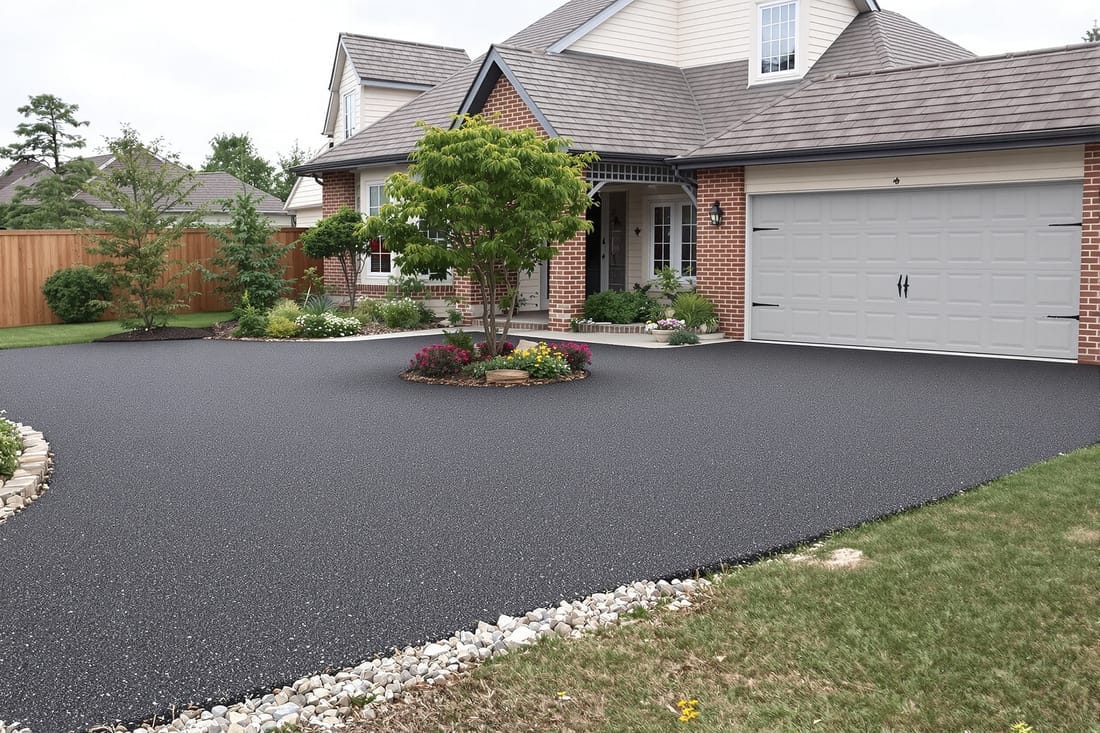
Upgrade your property by converting a dusty gravel drive into a smooth asphalt driveway in Boise, ID. We grade, compact, and add base as needed before paving with quality asphalt. Gravel to asphalt driveway conversions reduce mud, dust, and ruts while improving curb appeal. Get a free site review and clear conversion quote today.
Precision Asphalt Boise provides professional gravel to asphalt driveway throughout Boise, ID, ID and the surrounding area. Our licensed, insured crew delivers safe, clean, on-time work with a free estimate before anything begins. Call (208) 783-3122 or request your free quote.
Turn Your Gravel Driveway Into a Smooth Asphalt Surface
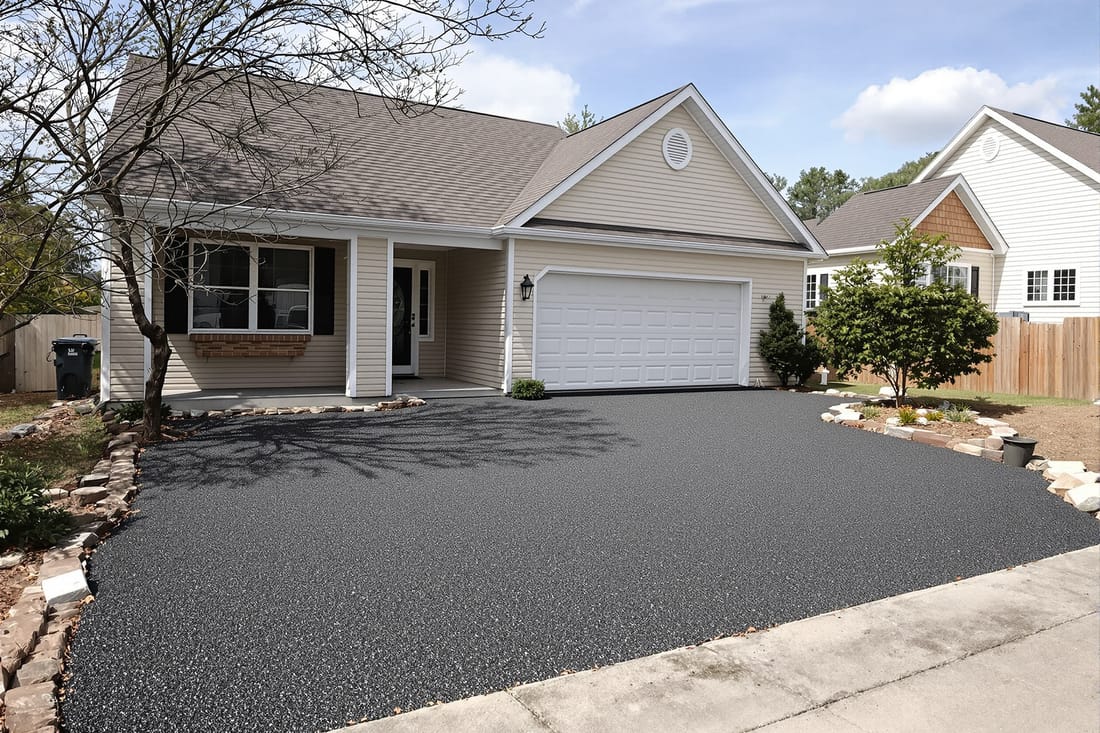
If you are tired of dust clouds in summer and ruts every time it rains or snows, converting your gravel to an asphalt driveway can be a huge quality-of-life upgrade. Precision Asphalt Boise helps Boise homeowners and property managers replace loose gravel with a clean, durable asphalt surface that is easier to drive on, shovel, and maintain.
A gravel to asphalt driveway conversion is not just pouring blacktop over rocks. To last through Boise freeze-thaw cycles and heavy vehicle use, the base under the asphalt has to be evaluated, reshaped, and often rebuilt. Our crew walks the entire driveway with you, checks drainage patterns, looks for soft spots and standing water, and asks about the types of vehicles using the drive. That information shapes the design, from base thickness to asphalt mix.
Because we work all over the Treasure Valley, we know the common issues on local gravel drives: windblown dust along the Boise Bench, washboarding on sloped lots in the foothills, and mud pockets in low-lying areas near irrigation. Our approach to converting your gravel to asphalt is tailored to those real conditions, not a one-size-fits-all recipe.
How Our Gravel-to-Asphalt Conversion Process Works
When Precision Asphalt Boise converts a gravel driveway to asphalt, the first step is a thorough site assessment. We measure the driveway, evaluate slope, identify any drainage concerns, and probe the existing gravel and subgrade to see how stable it is. If you have existing culverts, French drains, or irrigation crossings, we flag them so they are protected or adjusted during construction.
Next we shape and rebuild the base. Typically we regrade the existing gravel, then add and compact a crushed rock base (often a 3/4 inch minus aggregate familiar to local suppliers) to a depth suited to your use. A short, flat residential drive might only need 4 to 6 inches of compacted base, while a long rural drive with RV or trailer traffic may require more. We compact in lifts using a plate compactor or vibratory roller, checking density so the base will not settle later.
Once the base is stable and shaped with proper crown or cross-slope, we install edge support where needed. On Boise properties with soft shoulders, we may recommend widening the base a bit or adding a small shoulder of compacted material so the asphalt does not crack if a vehicle pulls slightly off the edge. If drainage is an issue, we correct low spots, cut shallow swales, or clean out existing ditches before any blacktop is placed.
Finally, we pave. For most gravel to asphalt driveway projects, we place a hot mix asphalt layer in the 2.5 to 3 inch compacted range for standard car and light truck traffic. Heavier-use drives or shared private roads might get a thicker section or a different mix design. We use local asphalt plants in the Boise area, which reduces haul time and helps maintain proper temperature for compaction. The surface is rolled smooth, transitions to the garage or street are feathered, and joints are neatly finished so water does not seep in and start damage early.
Design Choices For Your New Asphalt Driveway
Converting from gravel to an asphalt driveway gives you a chance to adjust layout and look, not just the surface. Precision Asphalt Boise can straighten awkward curves, widen tight parking areas, or soften steep sections by shifting the alignment slightly within your property boundaries. During the planning visit, we mark out proposed changes with paint so you can visualize how vehicles will move.
You can also decide how formal or rustic you want the driveway edges to appear. Some Boise homeowners are happy with a simple compacted gravel shoulder along each side, which is cost-effective and easy to touch up. Others prefer a more finished look with concrete ribbons, pavers, or landscape borders installed by a landscaper after paving. We can align asphalt edges and elevations to make those additions straightforward later.
Surface slope is another key design detail. In areas that see winter shade, like driveways on the north side of homes near the Boise foothills, we try to avoid flat spots that hold meltwater and then refreeze overnight. A gentle crown or cross-slope helps water move off the surface quickly. We also consider where that runoff goes, especially on smaller city lots in Boise where water needs to stay on your property.
For long shared driveways outside the city center, we often discuss pullouts or turnarounds so delivery trucks and trailers have a safe place to maneuver without chewing up shoulders. During a gravel to asphalt driveway conversion, it is usually much cheaper to add these features than to modify the pavement later.
What Affects Cost and Timeline in Boise
Every gravel to asphalt driveway project in Boise has a few cost drivers that are worth understanding before you request quotes. The first is base condition. If your existing gravel is deep, well-compacted, and drains properly, we may only need to regrade and add a modest amount of new aggregate. If the driveway has rutted down into clay or topsoil, or holds water after storms, we will have to excavate soft material and rebuild the base, which takes more time and rock.
Length, width, and access also matter. Longer rural drives require more base rock, more asphalt, and more rolling time. Tight backyards with limited truck access may require smaller equipment and hand work, which is more labor intensive. Slopes and curves can add complexity, since we have to take extra care with grading and compaction to avoid future sliding or edge cracking.
Season and weather play a big role in timing in Boise. Our main paving window for residential gravel-to-asphalt conversions typically runs from late April through October, when daytime temperatures are warm enough for proper asphalt compaction and curing. We avoid paving over saturated bases in early spring and schedule around forecasted thunderstorms so the new surface is not rained on while it is still hot. Booking earlier in the season can give you more schedule options and sometimes better pricing, since fall often fills up fast.
Permits are usually straightforward. In most Boise neighborhoods, work fully on private property does not require a roadway permit, but if your gravel driveway connects to a public street and you want to change the width, alignment, or culvert at the road, the city or county may require approval. We help you identify when that is necessary and can coordinate with local agencies if the scope calls for it.
What To Expect After Paving and How To Choose a Contractor
Once your gravel to asphalt driveway is in place, there are a few simple steps that help it last. Precision Asphalt Boise recommends keeping heavy turning loads, like trailers jacked sharply while backing, to a minimum during the first week while the surface cools and hardens. In Boise summer heat, asphalt can soften slightly in the afternoons, so using gentle steering when parking in the same spot every day helps prevent scuffing. We also suggest keeping gas or oil spills cleaned up promptly, since petroleum products can soften asphalt over time.
Routine care is straightforward. Blow or sweep off pine needles and gravel, especially if you live near the Boise River or foothills where debris accumulates quickly. Keep edges supported with compacted material so the pavement does not break off if someone drives too close to the side. After a few years, a sealcoat can help protect against oxidation from sun and winter de-icing. We can talk through a maintenance schedule that matches how heavily the driveway is used.
When you compare contractors for a gravel-to-asphalt conversion, ask specific questions. How will they handle weak spots in the base, not just the visible ruts? What base thickness are they planning for your traffic type and soil? Do they understand how local irrigation, high groundwater in parts of Boise, or runoff from nearby hills will affect the driveway long term? A detailed written scope that mentions base prep, drainage, thickness, and materials protects you from a quick overlay that will fail in a couple of winters.
At Precision Asphalt Boise, we welcome those questions. We walk you through our recommendations, explain any cost differences between options, and leave you with clear next steps. If you are considering turning your gravel to asphalt driveway this season, we can visit your property, talk through design ideas, and provide a firm, itemized proposal before any work starts.