Home › Road, Street, and Municipal Paving
Partner with a reliable crew for road paving in Boise, ID. We construct and resurface subdivision streets, municipal roads, and private communities with durable asphalt sections. Our team manages traffic control, phasing, and quality control testing as required. Contact us to discuss your upcoming street or municipal paving project.
Precision Asphalt Boise provides professional road paving throughout Boise, ID, ID and the surrounding area. Our licensed, insured crew delivers safe, clean, on-time work with a free estimate before anything begins. Call (208) 783-3122 or request your free quote.
Road, Street, and Municipal Paving for Boise Communities
Precision Asphalt Boise focuses on practical, long lasting road paving for cities, neighborhoods, and local agencies throughout Boise and the Treasure Valley. We understand that your project is not just asphalt, it is school drop off lanes, bus routes, emergency access, and the main way customers reach your business.
Our crews are familiar with Ada County Highway District (ACHD) standards, Boise city requirements, and the everyday traffic patterns on local streets. That local knowledge shapes how we design and build every road section, from quiet cul de sacs in new subdivisions to busy connectors that see heavy truck traffic.
When you work with Precision Asphalt Boise, we look at the whole picture. We evaluate what base is already in place, how drainage works today, what traffic loads the road sees, and what your maintenance budget looks like over the next 10 to 20 years. The goal is a road that holds up through freeze thaw cycles, irrigation runoff, and summer heat without constant patching.
How Our Road Paving Process Works in Boise
Every road paving project starts with a site visit. We walk the full length of the street, check existing grades, look for soft spots, ponding water, and cracking patterns. On existing roads we note all utilities, manholes, valves, and impacts to residents and businesses. We then coordinate with ACHD or the relevant jurisdiction to confirm standards for asphalt thickness, base material, and striping.
Existing pavement is usually milled or pulverized. Milling uses a machine to grind off a controlled depth of old asphalt, which we haul off or recycle into new mixes. Pulverizing blends the old asphalt into the base layer, then we regrade and compact it. In Boise, pulverizing can be a cost effective option on lower speed local streets with a reasonably sound base.
Next, we shape and compact the road base. We typically use crushed aggregate base, compacted in lifts with vibratory rollers. Subgrade testing may be required, especially in areas with known soft soils or high groundwater. If we find weak areas, we may undercut and replace material, add geotextile fabric, or adjust the pavement design thickness.
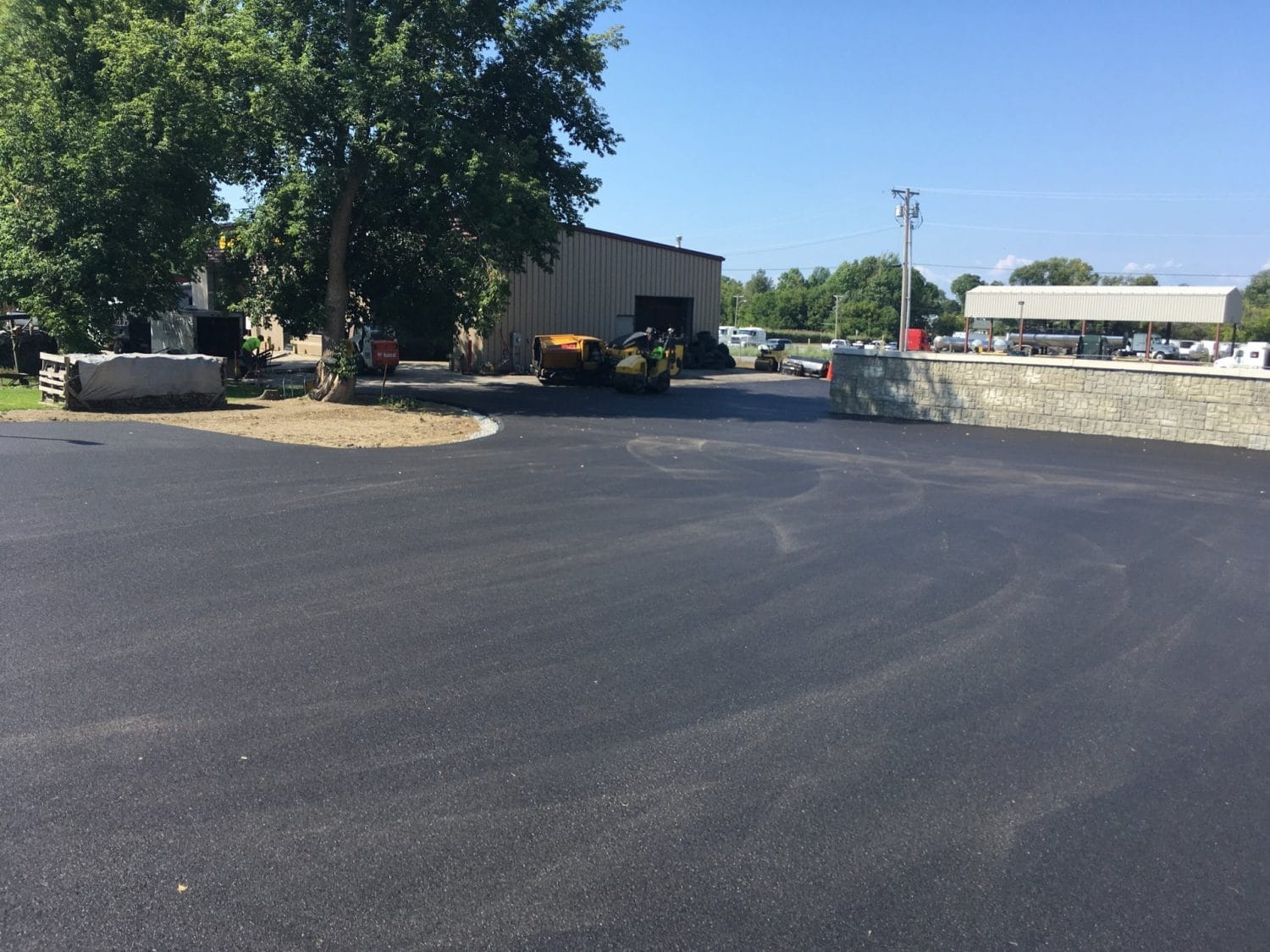
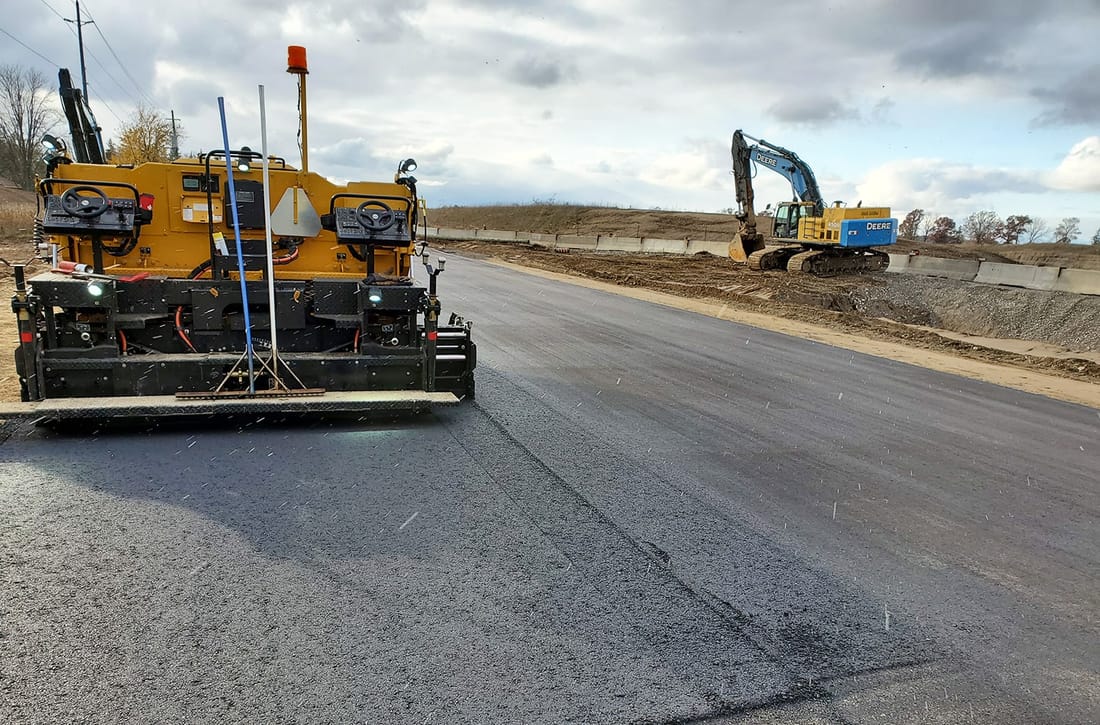
Once the base passes density checks and grade verification, we place asphalt in one or more lifts. For municipal roads and busier neighborhood streets, we often use a thicker base lift and a finer surface lift to balance strength and ride quality. Joints are carefully staggered so they do not line up, which reduces future cracking. Final compaction is timed so the asphalt cools evenly and achieves the specified density.
Asphalt Mix and Design Options for Local Roads
Different Boise streets need different pavement designs. Precision Asphalt Boise works with local asphalt plants to choose mixes that match your road's use and the climate in southwest Idaho.
For cul de sacs and low speed residential streets, a standard hot mix asphalt with a moderate aggregate size and binder content often provides the best balance of performance and cost. On heavy traffic corridors or streets used regularly by garbage trucks and delivery vehicles, we may recommend a thicker section and a tougher surface mix with a higher quality aggregate to resist rutting.
Cold winters and hot summers in Boise put stress on asphalt. We take into account temperature swings when we select binder grades, so the pavement remains flexible in winter and resists softening in peak summer heat. We can also incorporate reclaimed asphalt pavement (RAP) where allowed by the governing agency. This keeps materials local, saves cost, and supports sustainability goals while staying within performance specs.
For intersections, bus stops, and steep grades, we sometimes adjust the design locally with thicker asphalt, modified mixes, or concrete pads in the highest stress areas. These targeted upgrades can significantly extend the life of the entire roadway with only a small increase in project cost.
Drainage, Freeze Thaw, and Boise Specific Challenges
In Boise, road paving is as much about managing water as it is about laying asphalt. Snowmelt, lawn irrigation, and occasional heavy summer storms can all damage a poorly drained street. During design and prep, we pay close attention to cross slope, gutter grades, and the condition of valley gutters and catch basins.
Proper crown or cross slope is critical. Most local streets are built with a 2 percent cross slope to shed water toward gutters. We use laser guided grading and experienced operators to hold that slope, especially on long blocks where even small deviations can lead to ponding. Where we see chronic puddles, we adjust grades or, in some cases, recommend additional drainage structures.
Freeze thaw cycles in Boise can widen small cracks into potholes. To combat this, we focus on tight, well compacted joints, quality base compaction, and appropriate mix selection. We also advise cities and HOAs to seal coat and crack seal on a regular schedule. A simple crack sealing program, started early, can add many years to the life of a new road with minimal cost.
If your street runs near irrigation canals or in low lying areas, we may recommend specific base materials or deeper excavation in soft zones. Addressing these issues before paving is almost always less expensive than repeated patching later.
Permitting, ACHD Coordination, and Local Requirements
Road paving inside Ada County typically involves coordination with ACHD and sometimes the City of Boise. Precision Asphalt Boise handles the technical side of this process for you and works with your engineer or project manager to keep approvals on track.
For public roads and accepted subdivision streets, ACHD standards will dictate pavement thickness, base depth, compaction requirements, and testing. There may also be requirements for traffic control plans, working hours, and public notifications. We are familiar with these procedures and can help you plan realistic timelines that account for review periods and inspections.
Private roads, HOA streets, and access drives often have more flexibility, but there are still practical considerations. Fire code may require specific widths and turning radii. Some HOAs in Boise have architectural standards for street appearance and signage. We discuss these items during planning so the finished road meets both code and community expectations.
For businesses on city streets, we assist with lane closure permits and coordinate paving schedules to minimize disruption. This often means phasing work so customers always have a way in and out or paving during off peak hours when possible.
What Drives the Cost of Road Paving in Boise
Project cost depends on more than just asphalt price. Precision Asphalt Boise is transparent about what affects your budget so you can make informed decisions.
Key cost drivers include road length and width, required asphalt and base thickness, and the condition of the existing subgrade. Milling and overlaying a street in decent shape is usually less expensive than a full depth reconstruction, which involves removing and replacing base materials.
Access, traffic control, and staging also matter. A short street in a tight subdivision with many driveways may require more handwork, flaggers, and partial day closures, which affects labor costs. A long straight rural road may be more efficient to pave with large machines and fewer interruptions.
Material choices influence both upfront and long term costs. Thicker sections and upgraded mixes cost more initially but can provide much longer service life, especially under heavy vehicles. We can provide side by side options that show initial cost versus expected maintenance and resurfacing schedules, so city staff, HOAs, or property owners can choose what fits their financial plans.
We also consider timing. Paving during the right season and temperature window in Boise helps ensure proper compaction and reduces the risk of early failures that would be far more expensive to fix later.
Working With Precision Asphalt Boise on Your Next Road Project
Our role is to be a practical, local partner in improving the streets that Boise residents use every day. From the first walkthrough to final striping and cleanup, our team focuses on clear communication, safe job sites, and reliable scheduling.
We start with a conversation about how the road is used today and what frustrations people have with it. Is it potholes, dust, poor drainage, or constant patching? Those answers shape how we design the work. For HOAs and business parks, we can attend meetings or provide maps and phasing plans that help explain the project to residents and tenants.
During construction, we coordinate with garbage service, school bus routes, and delivery schedules when needed. We post clear signage and keep access open where possible. After paving, we handle permanent striping, signage installation if required, and final inspections with the governing agency.
If you are planning a new subdivision, upgrading an older private street, or coordinating a municipal overlay program, Precision Asphalt Boise can help you choose the right combination of pavement design, phasing, and maintenance plan so your investment in road paving serves the community for many years.